
Wazzup Pilipinas!?
Teaching comprehensive social-emotional classes within the study room is critical for college students' fulfillment in faculty and life. By deliberately helping students broaden self-recognition, self-management, social attention, dating abilities, and responsible decision-making, you equip them with crucial abilities needed to navigate lifestyle challenges and thrive.
However, efficaciously teaching social-emotional getting to know calls for willpower, time, proactive plans, and constant implementation of the right techniques. In this very significant article, we are able to deeply explore 5 validated, rather powerful techniques for coaching multilayered social-emotional training.
By reflecting on those strategies and making use of them diligently in your classroom, you may cultivate assured, concerned, and responsible college students ready to flourish academically, individually, and as international citizens.
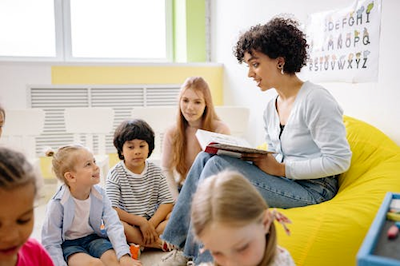
1. Implement Engaging Social-Emotional Learning Activities
A diverse array of social and emotional learning worksheets, lesson plans, and activity books are available both online and offline to reinforce the competencies students need.
Highly interactive, well-designed exercises teach students to accurately identify and label emotions in themselves and others with nuance. In addition, it teaches us to take others' perspectives, positively resolve conflicts, set goals and prioritize effectively, manage stress through positive self-care strategies, show kindness, and make wise, ethical decisions.
Escape rooms, strategically created board games, expressive arts and crafts projects, theater exercises, and in-depth role-playing activities make learning engaging, enjoyable, and memorable. Choose activities thoughtfully aligned to your specific curriculum goals and the particular social-emotional needs of your students.
Tailor activities to connect with their interests, cultures, and preferred learning modalities when possible. Spending 15-20 minutes daily on focused, reflective social-emotional learning activities can profoundly enrich their competencies, especially when you model enthusiasm and participation.
2. Model Desired Skills And Attitudes Daily
Actions, as they say, speak louder than words. One of the most powerful ways you can teach social-emotional lessons is by consciously modeling the attitudes, behaviors, and skills you want students to develop every day. For instance, if you want students to be respectful, make sure you speak respectfully to them and others at all times.
Use a calm, empathetic tone, actively listen without interrupting, validate and build upon their perspectives, and foster inclusive discussions. If you want them to be organized, keep an orderly, neat, and efficient classroom space and be prepared and punctual for each lesson. Have well-designed lesson plan materials ready in advance and transition smoothly between activities.
When you inevitably fall short in an area, as all humans do, humbly acknowledge it, sincerely apologize if needed, reflect on how to improve and refocus on being your best self. Your actions don't have to be perfect as an educator, but they should align with the values and competencies you're teaching as much as possible.
Students are constantly observing and learning from your example.
3. Facilitate Insightful Class Discussions
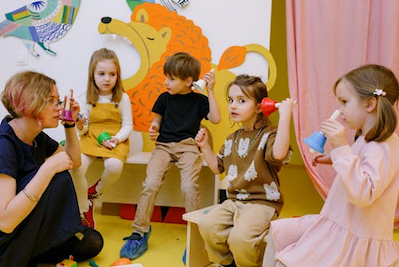
Class discussions often targeted on social-emotional topics provide priceless possibilities to make connections, share various perspectives, and increase self-attention. You can spark deep, positive speech by discussing impactful modern-day occasions associated with social troubles or feelings. Moreover, carefully curated motion pictures showcasing compassion or perseverance, multifaceted hypothetical scenarios relevant to students' lives, and considerate reflective prompts inspire vulnerability and increase mindsets.
Please inspire college students to think critically and articulate their minds, reactions, emotions, reports, and beliefs with nuance and care. Consider their developmental stages and any sensitivities. Ensure all college students feel secure to participate overtly by means of maintaining confidentiality and upholding clear hints for respectful, nonjudgmental interactions.
If touchy issues arise, deal with them with compassion, awareness, and open-mindedness. Guide college students to see change viewpoints through differing lenses whilst honoring their emotions. When students connect meaningfully, feel authentically heard, benefit from new views, and analyze each differently, it builds community, empathy, resilience, and emotional intelligence.

4. Make Reflection a Consistent Priority
Regular mirrored image fosters deeper self-know-how, facilitates college students to fully technique emotions, and cement social-emotional getting to know. That's why it has to be constructed into instructions always. Provide adequate centered time for individual reflection via reflective journaling prompts, self-evaluation rubrics, nuanced feeling charts, and "headline information" summaries of insights won.
Also, incorporate substantial pair stocks, small organization discussions, and complete magnificence reflections unpacking bigger takeaways. Guide students to mirror without a doubt new ideas, express and evaluate complex feelings, and pinpoint specific cognitive and behavioral boom points or regions desiring development.
Be certain to thoughtfully version reflective practices yourself by sharing your social-emotional takeaways when appropriate. Keep reflections constructive, boundary-conscious, and answers-focused. When made ongoing precedence, meaningful established reflection facilitates college students to combine social-emotional standards into their self-identity and makes gaining knowledge endure.
5. Give Encouraging, Specific Positive Feedback
Sincere, descriptive encouragement and praise are effective intrinsic motivators that assist scholar conduct, self-idea, and identity. Make it a regular practice to give superb feedback whilst you study social-emotional abilities. Notice times when a pupil confirmed exemplary willpower, wholesome courting capabilities, kindness to others, advantageous initiative, true judgment, or any value you've got focused on.
Comment specifically on the precise conduct, character trait, or competency they displayed and the tremendous impact you discovered. These remarks show the scholar you are paying close interest to and support the attitudes and capabilities you're cultivating.
Your phrases can assist a scholar to see themselves in a new light and spur their persevered boom and leadership in that region. The extra distinctive and applicable your praise, the extra the motivational influence.
Conclusion
Teaching multifaceted social-emotional instructions requires determination, aim, proactive plans, and constant implementation of evidence-based strategies. Consciously model favored attitudes and behaviors daily. Facilitate normal insightful discussions, make social-emotional getting to know particularly enticing and personalized, provide frequent reflective opportunities, and supply encouraging precise comments. These engagements will profoundly increase socially aware, assured, concerned, and accountable college students equipped to thrive.
They will advantage of important abilities to correctly navigate life's private, instructional, expert, and civic-demanding situations. With your considerate steering and dedication to social-emotional boom, your students can flourish academically and in my opinion, create a high-quality exchange.
Teaching comprehensive social-emotional classes within the study room is critical for college students' fulfillment in faculty and life. By deliberately helping students broaden self-recognition, self-management, social attention, dating abilities, and responsible decision-making, you equip them with crucial abilities needed to navigate lifestyle challenges and thrive.
However, efficaciously teaching social-emotional getting to know calls for willpower, time, proactive plans, and constant implementation of the right techniques. In this very significant article, we are able to deeply explore 5 validated, rather powerful techniques for coaching multilayered social-emotional training.
By reflecting on those strategies and making use of them diligently in your classroom, you may cultivate assured, concerned, and responsible college students ready to flourish academically, individually, and as international citizens.
1. Implement Engaging Social-Emotional Learning Activities
A diverse array of social and emotional learning worksheets, lesson plans, and activity books are available both online and offline to reinforce the competencies students need.
Highly interactive, well-designed exercises teach students to accurately identify and label emotions in themselves and others with nuance. In addition, it teaches us to take others' perspectives, positively resolve conflicts, set goals and prioritize effectively, manage stress through positive self-care strategies, show kindness, and make wise, ethical decisions.
Escape rooms, strategically created board games, expressive arts and crafts projects, theater exercises, and in-depth role-playing activities make learning engaging, enjoyable, and memorable. Choose activities thoughtfully aligned to your specific curriculum goals and the particular social-emotional needs of your students.
Tailor activities to connect with their interests, cultures, and preferred learning modalities when possible. Spending 15-20 minutes daily on focused, reflective social-emotional learning activities can profoundly enrich their competencies, especially when you model enthusiasm and participation.
2. Model Desired Skills And Attitudes Daily
Actions, as they say, speak louder than words. One of the most powerful ways you can teach social-emotional lessons is by consciously modeling the attitudes, behaviors, and skills you want students to develop every day. For instance, if you want students to be respectful, make sure you speak respectfully to them and others at all times.
Use a calm, empathetic tone, actively listen without interrupting, validate and build upon their perspectives, and foster inclusive discussions. If you want them to be organized, keep an orderly, neat, and efficient classroom space and be prepared and punctual for each lesson. Have well-designed lesson plan materials ready in advance and transition smoothly between activities.
When you inevitably fall short in an area, as all humans do, humbly acknowledge it, sincerely apologize if needed, reflect on how to improve and refocus on being your best self. Your actions don't have to be perfect as an educator, but they should align with the values and competencies you're teaching as much as possible.
Students are constantly observing and learning from your example.
3. Facilitate Insightful Class Discussions
Class discussions often targeted on social-emotional topics provide priceless possibilities to make connections, share various perspectives, and increase self-attention. You can spark deep, positive speech by discussing impactful modern-day occasions associated with social troubles or feelings. Moreover, carefully curated motion pictures showcasing compassion or perseverance, multifaceted hypothetical scenarios relevant to students' lives, and considerate reflective prompts inspire vulnerability and increase mindsets.
Please inspire college students to think critically and articulate their minds, reactions, emotions, reports, and beliefs with nuance and care. Consider their developmental stages and any sensitivities. Ensure all college students feel secure to participate overtly by means of maintaining confidentiality and upholding clear hints for respectful, nonjudgmental interactions.
If touchy issues arise, deal with them with compassion, awareness, and open-mindedness. Guide college students to see change viewpoints through differing lenses whilst honoring their emotions. When students connect meaningfully, feel authentically heard, benefit from new views, and analyze each differently, it builds community, empathy, resilience, and emotional intelligence.
4. Make Reflection a Consistent Priority
Regular mirrored image fosters deeper self-know-how, facilitates college students to fully technique emotions, and cement social-emotional getting to know. That's why it has to be constructed into instructions always. Provide adequate centered time for individual reflection via reflective journaling prompts, self-evaluation rubrics, nuanced feeling charts, and "headline information" summaries of insights won.
Also, incorporate substantial pair stocks, small organization discussions, and complete magnificence reflections unpacking bigger takeaways. Guide students to mirror without a doubt new ideas, express and evaluate complex feelings, and pinpoint specific cognitive and behavioral boom points or regions desiring development.
Be certain to thoughtfully version reflective practices yourself by sharing your social-emotional takeaways when appropriate. Keep reflections constructive, boundary-conscious, and answers-focused. When made ongoing precedence, meaningful established reflection facilitates college students to combine social-emotional standards into their self-identity and makes gaining knowledge endure.
5. Give Encouraging, Specific Positive Feedback
Sincere, descriptive encouragement and praise are effective intrinsic motivators that assist scholar conduct, self-idea, and identity. Make it a regular practice to give superb feedback whilst you study social-emotional abilities. Notice times when a pupil confirmed exemplary willpower, wholesome courting capabilities, kindness to others, advantageous initiative, true judgment, or any value you've got focused on.
Comment specifically on the precise conduct, character trait, or competency they displayed and the tremendous impact you discovered. These remarks show the scholar you are paying close interest to and support the attitudes and capabilities you're cultivating.
Your phrases can assist a scholar to see themselves in a new light and spur their persevered boom and leadership in that region. The extra distinctive and applicable your praise, the extra the motivational influence.
Conclusion
Teaching multifaceted social-emotional instructions requires determination, aim, proactive plans, and constant implementation of evidence-based strategies. Consciously model favored attitudes and behaviors daily. Facilitate normal insightful discussions, make social-emotional getting to know particularly enticing and personalized, provide frequent reflective opportunities, and supply encouraging precise comments. These engagements will profoundly increase socially aware, assured, concerned, and accountable college students equipped to thrive.
They will advantage of important abilities to correctly navigate life's private, instructional, expert, and civic-demanding situations. With your considerate steering and dedication to social-emotional boom, your students can flourish academically and in my opinion, create a high-quality exchange.





 Ross is known as the Pambansang Blogger ng Pilipinas - An Information and Communication Technology (ICT) Professional by profession and a Social Media Evangelist by heart.


.jpg)


