BREAKING

Thursday, April 20, 2023

The many potentials of Artificial intelligence or AI


Wazzup Pilipinas!?


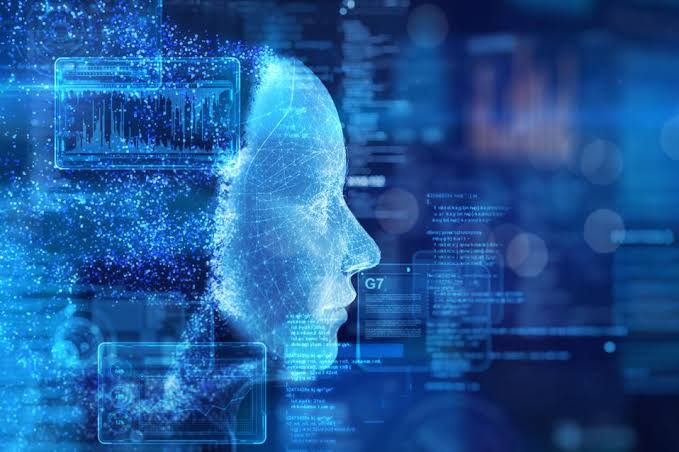
Artificial Intelligence (AI) is a field of computer science that involves the creation of intelligent machines that can perform tasks that typically require human intelligence, such as visual perception, speech recognition, decision-making, and language translation. AI is rapidly advancing and has the potential to transform almost every industry, from healthcare to finance, transportation, and more.

AI encompasses a wide range of techniques, including machine learning, natural language processing, computer vision, and robotics. Machine learning is a subset of AI that involves training algorithms to learn patterns in data and make predictions based on that data. Natural language processing involves teaching machines to understand and interpret human language, while computer vision involves teaching machines to recognize and interpret visual information.

One of the primary benefits of AI is its ability to analyze large amounts of data quickly and accurately, leading to more informed decision-making. For example, in healthcare, AI can analyze patient data to help doctors diagnose diseases and create treatment plans. In finance, AI can be used to analyze market trends and make predictions about future investments.

AI is also revolutionizing the way we interact with technology. Virtual assistants, such as Siri and Alexa, use natural language processing to interpret our commands and provide us with relevant information. Self-driving cars use computer vision to navigate roads and make decisions about driving.

However, with the rapid advancements in AI come concerns about its impact on society. One concern is that AI will take over jobs traditionally performed by humans, leading to high levels of unemployment. Another concern is that AI systems may be biased, leading to unfair treatment of certain groups of people.

To address these concerns, it is important to have policies in place to ensure that AI is used ethically and responsibly. This includes ensuring that AI systems are transparent, fair, and unbiased. It also involves investing in education and training programs to help workers adapt to the changing job market.

In conclusion, AI has the potential to revolutionize almost every industry and transform the way we interact with technology. However, it is important to approach its development and implementation with caution, ensuring that it is used ethically and responsibly. With the right policies and investments in education and training, AI can be a powerful tool for improving our lives and advancing society.


How is it possible for AI to think like people

Artificial Intelligence (AI) is designed to mimic human intelligence and the way we think. However, it does not actually "think" in the same way that humans do. Rather, AI uses algorithms and mathematical models to process data and make decisions based on that data. This is known as machine learning, which involves training algorithms on large datasets to recognize patterns and make predictions based on those patterns.

One of the ways that AI is designed to think like people is by using neural networks, which are inspired by the structure of the human brain. Neural networks are made up of interconnected nodes that work together to process information and make decisions. They are trained on large datasets to recognize patterns and make predictions based on those patterns, similar to the way that the human brain learns.

Another way that AI is designed to think like people is through natural language processing (NLP). NLP involves teaching machines to understand and interpret human language, which is a key aspect of human intelligence. This allows AI to interact with humans in a more natural way, such as through virtual assistants like Siri and Alexa.

AI is also designed to learn and adapt over time, much like humans do. This is known as reinforcement learning, where the AI system is rewarded or punished based on its actions, allowing it to learn from its mistakes and improve its performance over time.

Despite these similarities, it is important to note that AI does not actually "think" in the same way that humans do. It is a machine that processes data and makes decisions based on that data, whereas human intelligence involves complex cognitive processes, emotions, and consciousness. While AI is becoming increasingly sophisticated and capable, it still falls short of true human intelligence.

The popularity of Drones


Wazzup Pilipinas!?


Drones, also known as unmanned aerial vehicles (UAVs), are aircrafts without a human pilot aboard. These aircrafts are controlled remotely by a pilot on the ground, or they may be pre-programmed to fly a specific route. Drones are rapidly becoming an important technology in many industries, including military, agriculture, photography, film, and more. In this article, we will explore the history of drones, their uses, and their impact on society.


History of Drones

The first drone was created in the early 1900s by the inventor Nikola Tesla, who created a radio-controlled boat. This invention laid the foundation for radio-controlled aircraft, which were first used by the military in the 1930s for target practice. During World War II, both the Allies and the Axis powers used drones for reconnaissance and as a means of delivering bombs.

In the 1950s and 1960s, drones were used extensively by the military for reconnaissance and surveillance purposes. They were also used for testing new weapons and technologies. In the 1970s, drones were used in the Persian Gulf War for surveillance and reconnaissance purposes, and they have been used in every major conflict since then.

In recent years, drones have become increasingly popular for civilian use. They are used in photography and videography, agriculture, search and rescue operations, and more.


Uses of Drones

Drones are used in a variety of industries and applications, including:

Photography and Videography: Drones are used extensively in the film and photography industries to capture aerial footage that would otherwise be impossible to get.


Agriculture: Drones are used to monitor crops and livestock, to gather data on soil conditions, and to map fields.


Search and Rescue: Drones are used by emergency responders to search for missing people, to survey disaster areas, and to deliver supplies to remote locations.


Military: Drones are used by the military for surveillance, reconnaissance, and to deliver weapons.


Delivery: Drones are being developed to deliver packages to customers, reducing the need for delivery trucks and other vehicles.


Infrastructure Inspection: Drones are used to inspect bridges, buildings, and other infrastructure for damage and maintenance needs.


Conservation: Drones are used to monitor wildlife, track migration patterns, and to monitor the health of ecosystems.


Impact of Drones on Society

The use of drones has had a significant impact on society. On the positive side, drones have the potential to make certain tasks safer, more efficient, and more effective. For example, drones can be used to monitor crops, which can help farmers make more informed decisions about irrigation and fertilization. Drones can also be used to inspect bridges and other infrastructure, which can help identify potential problems before they become major issues.

However, there are also concerns about the use of drones. One of the biggest concerns is privacy. Drones can be used to gather information about individuals without their consent, and there is a risk that they could be used for surveillance purposes. Another concern is safety. Drones can collide with other aircraft, or they can crash and cause damage to property or injury to people.

Regulations have been put in place in many countries to address these concerns. For example, in the United States, the Federal Aviation Administration (FAA) regulates the use of drones. The FAA requires drone operators to register their drones and to follow certain guidelines, such as flying below 400 feet and avoiding flying over people.


Conclusion

Drones are a rapidly developing technology with a wide range of applications. They have the potential to make certain tasks safer, more efficient, and more effective. However, there are also concerns about privacy and safety. As regulations continue to be developed, it is likely that drones will become increasingly integrated into our daily lives. It is important that we balance the benefits of drones with the potential risks and take steps to address these concerns.

As technology continues to advance, drones are likely to become even more versatile and capable. New sensors, better batteries, and advanced automation software will enable drones to perform more complex tasks, such as autonomous delivery and inspection. As the use of drones becomes more widespread, we may see new industries and business models emerge, creating new opportunities for innovation and growth.

In conclusion, drones are a remarkable technology that have the potential to revolutionize many industries and applications. They have already proven their worth in areas such as agriculture, search and rescue, and infrastructure inspection. While there are concerns about privacy and safety, regulations are being put in place to address these issues. As technology continues to evolve, drones are likely to become even more capable and integrated into our daily lives. It will be exciting to see where this technology takes us in the coming years.

Wednesday, April 19, 2023

Hands-on STEM learning in every home with VISSER


Wazzup Pilipinas!?


The Philippines has long lagged behind the rest of the world in terms of science, technology, engineering, and mathematics (STEM) learning: in 2018, the country was the second worst out of 79 countries worldwide in terms of the science and mathematics performance of high school students.

This dearth prompted physics professor and current Dean of the University of the Philippines - Diliman College of Science (UPD-CS) Dr. Giovanni A. Tapang to spearhead the Versatile Instrumentation System for Science Education and Research (VISSER).

This low-cost, portable handheld device that students can use for their laboratory experiments was developed in collaboration with researchers from UP Diliman and UP Los Baños, with support from the Department of Science and Technology (DOST) and the UP Diliman Office of the Vice President for Academic Affairs (UPD OVPAA).


“Gaining a better understanding of science requires laboratory experiments, but specific equipment is often expensive, making it difficult for some high schools in the Philippines to purchase necessary equipment,” Dr. Tapang said. “VISSER addresses this problem through low-priced modern digital tools for learning to help transform students’ curiosity into scientific competency and broaden their perspective by exploring the experiential aspect of science.”

VISSER aims to bring a modern science laboratory experience to high schools all over the country. Designed for students on a STEM track, the device allows for hands-on experiments in various subjects including physics, chemistry, biology, environmental science, and engineering.

In 2022 alone, close to a hundred schools across the country received VISSER kits. An improved version is in the works, for use in online classes and distance learning, aptly dubbed VISSER@Home.

Dr. Tapang will be talking at length about VISSER at the upcoming iStories webinar hosted by UPD-CS this coming April 24, 2023. Joined by VISSER co-inventor and PhD candidate Dwight Angelo Bruzon, the forum will tackle not just the ideation and development of VISSER, but also its mass production and distribution.

“Thirty-five percent of high schools in the Philippines have no laboratories. Meanwhile, among those with laboratories, 33% have no access to digital tools for learning. Our mission is to put modern laboratories in every school and college in the country,” Bruzon noted.

iStories is a series of innovation-themed talks, storytelling, and activities featuring local and international scientists. The initiative aims to ignite the creativity and inventiveness of young scientists not just from UPD-CS but from other institutes inside and outside UP.

The second session of iStories on April 24, 2023 (Monday) will be held on-site at the College of Science Admin Auditorium. Only participants outside Metro Manila will be allowed to join the forum via Zoom.

The iStories series is regularly scheduled for 3:00 pm every last Monday of the month. To join, you may register through this link https://bit.ly/3EocEmD. Subscription to the entire iStories webinar series is also possible through the same form.

To learn more about VISSER, please visit https://ttbdo.up.edu.ph/technology/visser/


Ang Pambansang Blog ng Pilipinas Wazzup Pilipinas and the Umalohokans. Ang Pambansang Blog ng Pilipinas celebrating 10th year of online presence
 
Copyright © 2013 Wazzup Pilipinas News and Events
Design by FBTemplates | BTT
